



Niger
One week after Niger's coup and only days after some of the landlocked West African country's neighbours imposed sanctions to punish the putschists, people are beginning to feel the economic effects.
The countries of the West Africa regional bloc known as ECOWAS imposed trade and financial sanctions to put pressure on the military to return the country to democratic control.
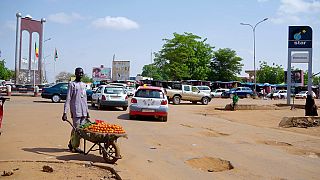
The markets are still full of goods, but shoppers say food prices are already going up.
A resident of Niamey Salamatou Touré said that she used to pay 10,000 CFA ($17) for a bag for rice, but on Wednesday that had already increased to 13,750 CFA ($23).”
"If these (bordering) countries decide to close their borders, frankly there will be an impact on the socio-economic life of Nigeriens," said Abdoul Aziz Seyni, economist at the University of Niamey.
Exacerbating problems, banking operations are mostly shut down, and there were reports that cash machines had stopped dispensing money.





00:54
Massive blackout plunges western Cuba into darkness as power grid struggles
11:18
Post-election protests trigger economic losses in Cameroon {Business Africa}
00:58
Western countries urge citizens to leave Mali as fuel crisis deepens
01:18
Sahel military juntas quit international court, citing “neo-colonial” bias
01:10
US halts visa processing at embassy in Niamey, Niger
01:06
Human Rights Watch call on Niger's Junta to release former President, Mohamed Bazoum